How to Make Your Resume Stand Out in 2026: The Insider Playbook

In 15 years of hiring, I’ve reviewed over 10,000 resumes. Let me tell you, most of them missed the mark. And you need to know exactly what to do to avoid the same fate. This is the insider playbook for crafting a resume that will make hiring managers take notice.
Why It Matters When your resume lands on a recruiter's desk, you have exactly 6 seconds to impress them. That’s not an exaggeration — I’ve timed it. What they look for during those 6 seconds will determine if you make it past the first screen or end up in the "maybe never" pile. The key is getting the critical elements right so they stand out immediately.
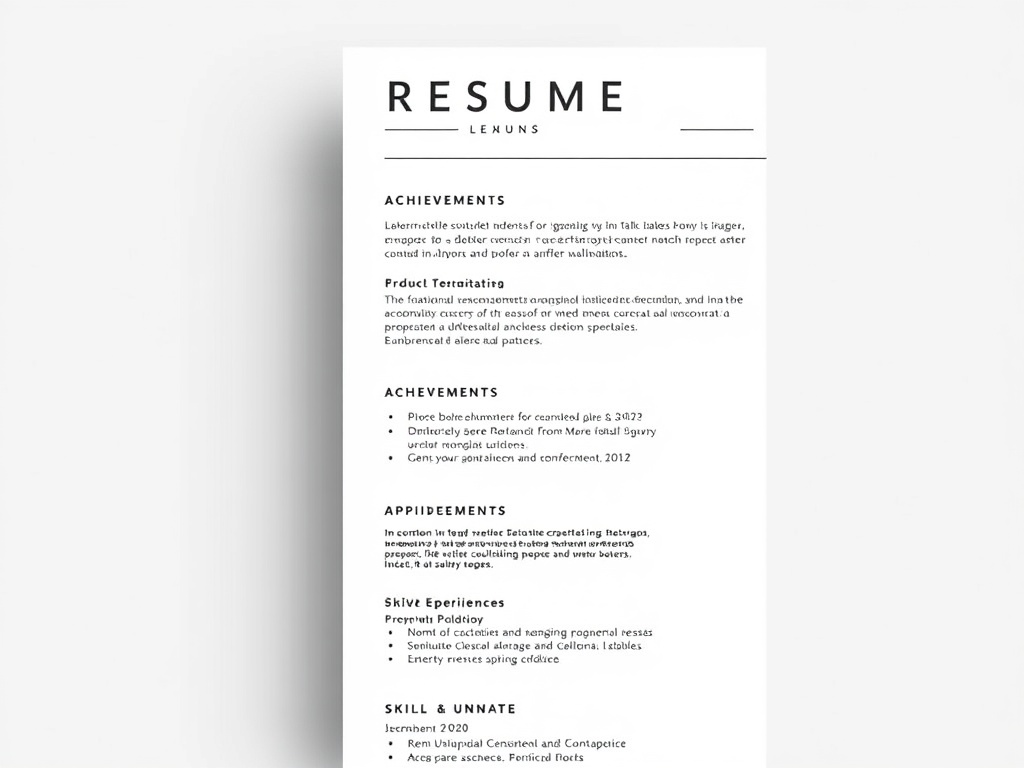
The Framework Here’s the resume structure that works. It’s not about being flashy — it’s about being clear, concise, and targeted. Here’s how to set your resume up for success:
- Start With a Headline: Forget the old objective statement. No one cares what you want. What hiring managers care about is what you can do for them. Lead with a headline that sums up your value proposition. For example, "Sales Manager | 10+ Years | B2B SaaS | $5M+ in Sales Growth." Get to the point.
- Show Your Key Achievements: Your experience section isn’t just for listing job duties. This is where you showcase what you’ve accomplished. Use quantifiable metrics to highlight the impact you’ve made. Example: "Increased revenue by 20% year over year."
- Skills: Only the Essentials: Don’t waste valuable space listing every tool and software you’ve ever used. Focus on the skills that matter most to the position you’re applying for. Make sure you’ve included both hard and soft skills.
Template Here’s the template you can copy-paste into your resume. It’s ATS-friendly and designed to grab attention.
+----------------------------------------+
| [Name] [Last Name]                     |
| [Job Title]                            |
| [Phone Number] | [Email] | [LinkedIn] |
+----------------------------------------+
| Objective (optional):  [One sentence]  |
| Summary: [2-3 sentences summarizing     |
| your top qualifications and career goals] |
| Experience:                            |
| [Job Title] — [Company] — [Years]      |
| [One-line summary of role]             |
| Achievements:                          |
| - [Achievement 1]                      |
| - [Achievement 2]                      |
| Skills: [Skill 1, Skill 2, Skill 3]     |
| Education: [Degree, School, Year]      |
+----------------------------------------+
Good Example vs. Bad Example Here’s how to make sure your resume passes the 6-second test. This is the difference between a resume that grabs attention and one that gets overlooked:
BAD: "Responsible for overseeing sales activities in a team environment." GOOD: "Led a team of 5 sales reps to exceed sales targets by 20%, resulting in $2M+ in new business revenue."
Common Mistakes 1. Using Objective Statements — Objective statements are outdated and unnecessary. They take up valuable real estate and don’t add any value. Replace it with a strong headline.
2. Too Many Skills — Listing everything you’ve ever done? That’s a red flag. Focus only on the most relevant skills for the job.Action Item Right now, go through your resume and do the following:
- Replace any objective statement with a headline that sells your value.
- Revise your experience section to showcase your impact, using numbers whenever possible.
- Remove irrelevant skills that don’t align with the job you’re applying for.
FAQs
Q: How long should my resume be? A: For under 10 years of experience, one page is plenty. If you have 10+ years, two pages is fine. Anything more than that, you’re not prioritizing your content.
Q: Do I need to include a photo on my resume? A: No. Unless you’re in a creative field where visuals matter (like design), a photo is unnecessary and can actually hurt your chances.
Q: Should I include references? A: No. It’s a waste of space. Just note that references are available upon request.