
How to Answer “Tell Me About Yourself” — The Exact 60-Second Script That Gets You Hired

Most People Blow This Question in the First 30 Seconds
Let me tell you what actually happens when a hiring manager says, “Tell me about yourself.”
This is not a warm-up question. This is the interview.
I’ve asked this question thousands of times. Within 30–60 seconds, I knew if someone was moving forward or not. Not because of their experience — because of how they structured their answer.
Most people ramble. They start with their childhood, list their resume, or talk in vague generalities.
That’s how you lose the room.

Step 1: Understand What They’re Actually Evaluating
This question is testing three things:
- Can you communicate clearly under pressure?
- Do you understand what matters for this role?
- Can you connect your experience to this job?
That’s it.
They are not asking for your life story. They are asking for your professional positioning.
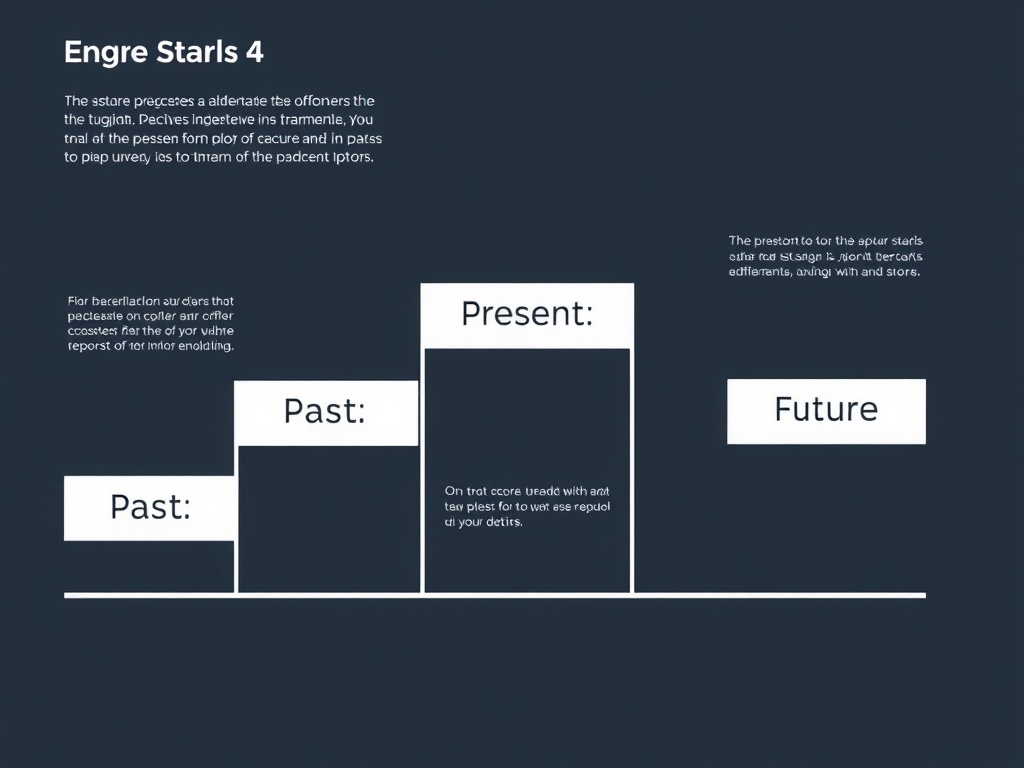
Step 2: Use the 3-Part Framework (Present → Past → Future)
I call this the PPP framework. It’s simple, and it works.
1. Present (What you do now)
Start with your current role, years of experience, and one key strength.
2. Past (How you got here)
Highlight 1–2 relevant experiences that prove you can do this job.
3. Future (Why this role makes sense)
Close with why you’re interested in this position specifically.
Step 3: The Exact Script (Use This)
Here’s the script. Don’t improvise this. Practice it until it feels natural.
"I’m currently a [your role] with about [X years] of experience in [your field]. Over the past few years, I’ve focused on [key skill or area], including [specific achievement or responsibility].
Before that, I worked at [previous company or role], where I [relevant accomplishment tied to this job]. That experience helped me build [specific skill relevant to role].
Now, I’m looking for an opportunity where I can [specific goal aligned with job], which is why this role stood out to me."
This should take 45–60 seconds. No longer.
Step 4: Customize It for the Job (This Is Where Most People Fail)
Here’s what I’ve seen a thousand times: candidates give the same answer in every interview.
Hiring managers can tell.
You need to tailor your answer to the job description.
- Pull 2–3 keywords from the job posting
- Mirror them in your answer
- Choose experiences that match those keywords
Example:
- Job emphasizes “cross-functional collaboration”
- You say: “I’ve spent the last two years leading cross-functional projects across marketing and product teams…”

Step 5: Good vs. Bad Answer
Bad Answer (What Most People Say)
“I graduated from XYZ University and then I worked at Company A for a few years, and now I’m at Company B. I’m a hard worker and a team player.”
Why this fails:
- No structure
- No relevance
- No positioning
Good Answer (What Gets You Hired)
“I’m currently a marketing analyst with 5 years of experience in B2B SaaS. Over the past two years, I’ve focused on building data-driven campaigns that generated over $1.2M in pipeline.
Before that, I worked at a startup where I managed end-to-end campaign execution, which helped me develop strong cross-functional collaboration skills.
Now, I’m looking to bring that experience into a larger team where I can scale those strategies, which is why this role caught my attention.”
Why this works:
- Clear structure
- Specific results
- Aligned with the role
Step 6: Common Mistakes That Cost You the Interview
- Talking too long — Over 90 seconds is a red flag
- Starting from your childhood — Not relevant
- Listing your resume — They already have it
- Being too vague — “Hardworking” means nothing
- No clear ending — Always tie it to the role
Step 7: Practice This the Right Way
Don’t memorize it word-for-word. Internalize the structure.
- Write your answer using the script
- Practice out loud (yes, out loud)
- Time yourself (45–60 seconds)
- Adjust for clarity and confidence
If you sound robotic, you’ve over-rehearsed. If you ramble, you’ve under-prepared.

Your Action Step (Do This Today)
Open a document and write your answer using this structure.
Then practice it three times out loud.
That’s it.
This is the highest-leverage 30 minutes you can spend before any interview.
FAQs
How long should my answer be?
45–60 seconds. Anything longer and you lose attention.
Should I include personal information?
No. Keep it professional unless it directly supports your candidacy.
What if I’m changing careers?
Focus your “past” section on transferable skills and make your “future” section very clear about why the transition makes sense.
Steps
- 1
Understand what hiring managers are evaluating
- 2
Use the Present-Past-Future framework
- 3
Use the 60-second script
- 4
Customize your answer for the job
- 5
Avoid common mistakes
- 6
Practice your answer effectively