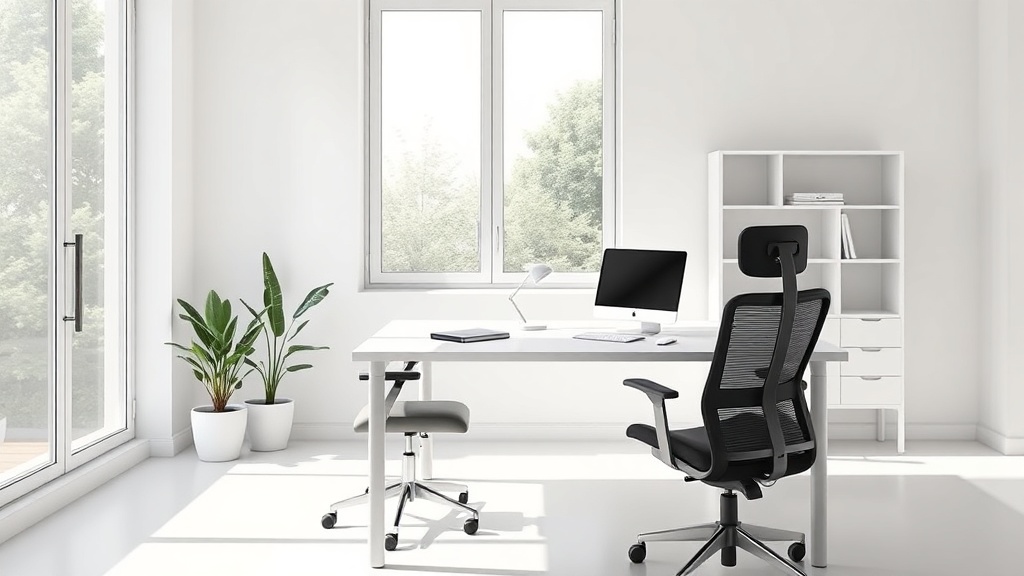
Create a Minimalist Home Office for Ergonomic Productivity

Ever feel like your home office is a distraction magnet? A cluttered desk, mismatched furniture, and poor lighting can sap your energy before you even start the workday. I’ve helped thousands of professionals streamline their workspaces, and the secret is simple: a minimalist, ergonomically‑tuned office.
In this guide, I’ll walk you through the exact steps to design a sleek, distraction‑free home office that supports posture, focus, and that fresh‑spring vibe you’ve been craving.
Why Does Minimalism Matter for Remote Work?
Minimalism isn’t just an aesthetic; it’s a productivity hack. When visual noise is reduced, your brain can allocate more resources to the task at hand. Studies from the American Psychological Association show that clutter increases cortisol levels, which in turn hampers concentration. A clean space = calmer mind.
What Ergonomic Essentials Should I Prioritize?
Ergonomics is the backbone of any functional office. Here’s my go‑to checklist:
- Adjustable chair with lumbar support. I recommend a chair with a neutral spine angle and height that lets your feet rest flat on the floor.
- Desk at elbow height. When your elbows form a 90‑degree angle, you reduce shoulder strain.
- Monitor at eye level. Use a riser or stack books so the top of the screen is roughly 2‑3 inches below eye height.
- Keyboard and mouse positioned close to the body. Keep wrists straight to avoid repetitive‑strain injuries.
These items are cheap enough to upgrade gradually—start with a quality chair, then add a monitor riser.
How Can I Keep the Space Clutter‑Free?
Clutter is the enemy of focus. Follow the one‑in‑one‑out rule: every new item you bring in must replace an existing one. Use these storage tricks:
- Vertical file holders. A slim vertical tray holds paperwork without eating desk real estate.
- Cable management sleeves. Bundle cords together and hide them behind the desk edge.
- Floating shelves. Keep reference books or decorative items off the desk but within arm’s reach.
Pro tip: schedule a 5‑minute “desk reset” at the end of each day. It’s the habit that keeps the workspace tidy long‑term.
What Lighting Improves Productivity?
Natural light is a game‑changer for mood and alertness. Position your desk near a window and keep blinds angled to avoid glare. If daylight is limited, invest in a full‑spectrum desk lamp that mimics the sun’s color temperature (around 5000‑6500 K).
How Does This Tie Into the Spring Refresh Trend?
Spring is the perfect time to reset both your calendar and your environment. A light‑colored palette—soft whites, muted greys, and a pop of green from a potted plant—creates a fresh, energizing vibe. I love adding a small succulent; it’s low‑maintenance and boosts air quality.
Ready to Build Your Minimalist Office? Here’s a Step‑by‑Step Plan
- Audit your current space. Take a photo, list every item, and mark what you truly need.
- Choose a color scheme. Stick to 2‑3 neutral tones; add one accent (e.g., a teal desk mat).
- Invest in ergonomic basics. Start with a chair, then a monitor riser, then a keyboard tray.
- Declutter. Apply the one‑in‑one‑out rule and store away everything else.
- Set lighting. Position near a window, add a full‑spectrum lamp, and eliminate harsh overhead bulbs.
- Personalize responsibly. A plant, a single piece of art, or a minimalist clock adds personality without distraction.
Follow these steps, and you’ll have a workspace that feels like a breath of fresh spring air—while also supporting better posture and sharper focus.
Related Reading
- Hybrid Work Trends 2024‑2025: A Quick Guide to Thriving in the New Normal — Learn how hybrid schedules influence office design.
- Daylight Saving Time Reset: Expert Tips to Align Your Circadian Rhythm and Boost Spring Energy — Optimize your lighting schedule for peak productivity.
- The First 90 Days Playbook — Use your new office to make a strong impression in a remote role.
FAQ
What ergonomic furniture should I prioritize?
Start with an adjustable chair that supports the lower back, then add a desk at elbow height and a monitor riser to keep screens at eye level.
How can I keep my home office clutter‑free?
Apply the one‑in‑one‑out rule, use vertical file holders, cable sleeves, and schedule a 5‑minute desk reset at the end of each day.
What lighting improves productivity?
Natural light is ideal. If that’s not possible, a full‑spectrum desk lamp (5000‑6500 K) mimics daylight and reduces eye strain.
Give your remote workspace the minimalist makeover it deserves, and watch your focus—and your results—skyrocket.