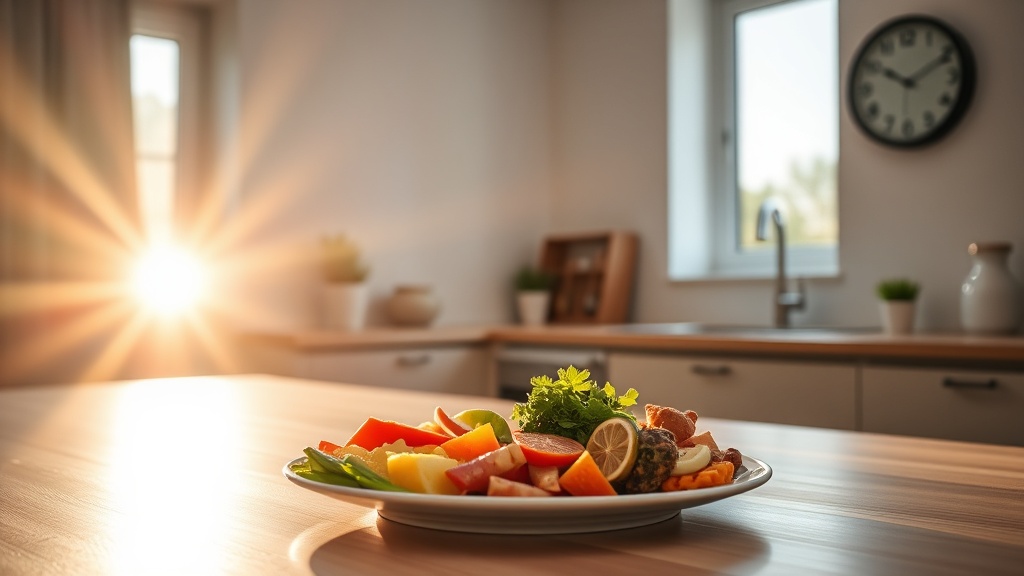
Bio‑Harmony Eating Patterns: Align Your Meals with Your Body’s Clock

Ever feel drained by noon even though you ate a "healthy" breakfast? It might not be what you ate, but when you ate it. Bio‑Harmony, the practice of aligning your eating patterns with your body’s natural clock, is gaining traction as a simple yet powerful way to boost energy, sharpen focus, and support long‑term health.
Why does timing matter?
Our bodies run on a 24‑hour circadian rhythm that regulates hormone release, metabolism, and even gut bacteria. When meals clash with this rhythm, you can experience sluggishness, cravings, and poorer nutrient absorption. Understanding the science behind this rhythm is the first step toward a more harmonious lifestyle.
What is Bio‑Harmony and how does it differ from other diet trends?
Bio‑Harmony isn’t a diet; it’s a framework. It focuses on when you eat, what you eat, and how you structure meals throughout the day. Unlike calorie‑counting or macro‑focused plans, Bio‑Harmony respects your body’s internal clock, making it easier to sustain.
How does my circadian rhythm affect digestion?
Research from the National Institutes of Health shows that insulin sensitivity peaks in the morning and wanes after sunset. This means your body processes carbs more efficiently before 12 pm and stores more fat from evening meals. Aligning carbs with the morning window can improve blood‑sugar stability and reduce late‑night cravings.
Which eating patterns sync best with my internal clock?
Here are three evidence‑based patterns that fit most modern schedules:
- Time‑Restricted Eating (TRE): Limit intake to a 10‑12‑hour window (e.g., 7 am — 7 pm). Studies in Chronobiology International link TRE to improved metabolic health.
- Chrono‑Nutrient Sequencing: Start the day with protein‑rich foods, follow with complex carbs at lunch, and keep dinner light and low‑glycemic.
- Evening Light Management: Avoid heavy meals after 8 pm and dim lights to signal melatonin production, supporting better sleep and recovery.
Practical steps to start a Bio‑Harmony routine
- Identify your natural peak: Track energy levels for a week. Notice when you feel most alert.
- Set a consistent eating window: Choose a 10‑hour window that aligns with your peak (e.g., 7 am — 5 pm).
- Front‑load protein: Breakfast: eggs, Greek yogurt, or a plant‑based protein shake.
- Schedule carbs mid‑day: Whole‑grain oats, quinoa, or sweet potatoes at lunch.
- Keep dinner light: Steamed veg, lean fish, or a salad with healthy fats.
- Mind the lights: Dim lights after sunset, avoid screens, and consider a warm‑tone lamp.
- Track and adjust: Use a simple app like MyFitnessPal or a journal to note meal times and energy.
Common pitfalls and how to avoid them
Skipping breakfast because you’re “too busy.” Instead, prep a grab‑and‑go protein snack the night before.
Eating late due to social events. Plan a lighter, protein‑focused snack (e.g., nuts) and keep the main dinner before 8 pm.
Ignoring hunger cues. Bio‑Harmony works best when you listen to your body. If you’re genuinely hungry outside the window, have a small, nutrient‑dense snack.
Tools and resources to stay on track
Apps like Sleep Cycle can reveal your sleep phases, helping you fine‑tune meal timing. For deeper insight, the Johns Hopkins guide offers a free PDF on circadian health.
Takeaway
Bio‑Harmony isn’t a strict regimen—it’s a flexible, science‑backed approach that lets you eat when your body is primed to digest. Start with a simple 10‑hour window, front‑load protein, and keep evenings light. Within a few weeks you’ll notice steadier energy, fewer cravings, and better sleep.
Related Reading
- Spring Refresh: Embrace Bio‑Harmony for a Balanced Lifestyle — A quick recap of Bio‑Harmony basics and why spring is the perfect time to start.
- Spring Into Longevity: Apply the 6 Pillars of an Age‑Defying Lifestyle — How Bio‑Harmony fits into a broader longevity strategy.
- Mindful St. Patrick's Day: Wellness Tips for a Healthy Celebration — Simple holiday tweaks that keep your rhythm on track.