Allergy Season Guide: 8 Natural Remedies for Spring Pollen Relief

Ever feel like the world turned into a sneeze‑factory the moment the first blossoms appear?
**Context:**Allergy season hits hardest in late March and April, when pollen counts soar by up to 20% compared to last year. For millions, the run‑ny nose, itchy eyes, and fatigue feel inevitable—until you try a few nature‑backed tricks that actually work.
What are the most effective natural remedies for spring pollen?
Below are eight strategies backed by research and easy to add to your daily routine.
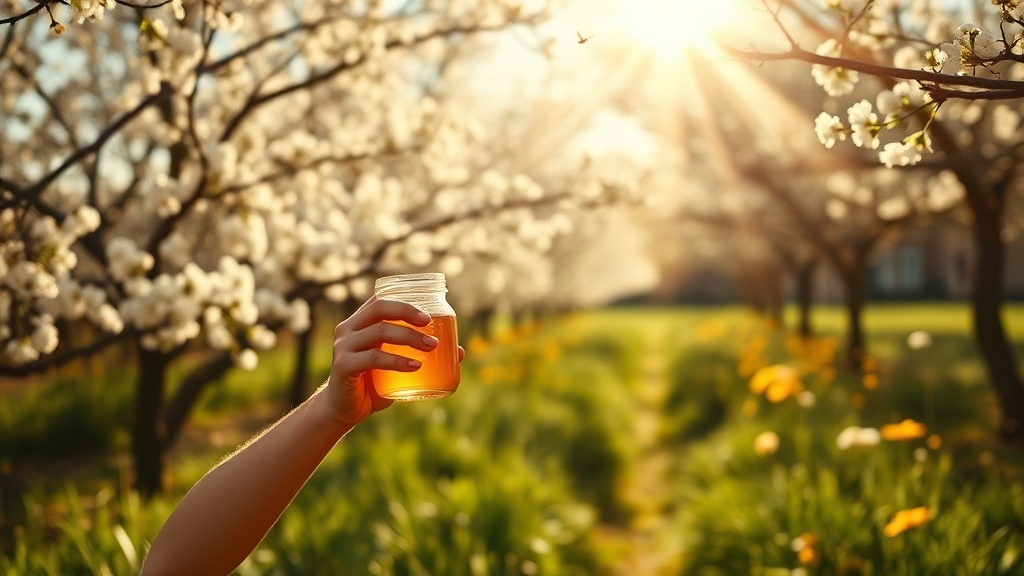
1. Can local honey really tame pollen allergies?
Consuming locally sourced honey may expose you to small amounts of regional pollen, acting like a natural desensitizer. A 2022 study in the Journal of Allergy & Clinical Immunology found modest symptom reduction after four weeks of daily honey intake.
2. How does quercetin‑rich food help?
Quercetin is a flavonoid that stabilizes mast cells, limiting histamine release. Foods like apples, onions, and capers pack a quercetin punch. The Mayo Clinic notes it can ease nasal congestion when taken consistently.
3. Why should I try saline nasal irrigation?
Rinsing the nasal passages with a saline solution washes away pollen and reduces inflammation. A systematic review in Cochrane reports significant symptom relief for up to four hours after each rinse.
4. Which indoor plants actually improve air quality?
Plants such as spider plant, peace lily, and Boston fern can capture airborne allergens and lower indoor pollen levels. The NIH confirms their modest but measurable effect.
5. How can I control my environment with HEPA filters?
HEPA air purifiers trap particles as small as 0.3 µm, including pollen. The American College of Allergy, Asthma & Immunology recommends a portable HEPA unit in bedrooms for best results.
6. Does staying hydrated make a difference?
Water thins mucus, helping your body clear pollen faster. Aim for at least 2 L daily, and consider herbal teas with ginger or turmeric for added anti‑inflammatory benefits.
7. Can probiotic supplements support allergy relief?
Gut health influences immune response. A 2021 meta‑analysis in Frontiers in Immunology linked specific probiotic strains to reduced hay‑fever symptoms.
8. What lifestyle tweaks keep symptoms at bay?
• Shower and change clothes after being outdoors to rinse pollen. • Keep windows closed on high‑pollen days (check local pollen forecasts). • Use sunglasses to protect eyes from airborne particles.
What’s the quick‑start plan for today?
- Buy a local honey jar and a small saline spray bottle.
- Add one quercetin‑rich snack (e.g., an apple) to your lunch.
- Set a timer for a 2‑minute nasal rinse each evening.
- Place a HEPA purifier in your bedroom before bedtime.
Takeaway
Spring pollen doesn’t have to dictate your comfort. By pairing a few science‑backed natural remedies—local honey, quercetin foods, saline rinses, indoor air upgrades, and smart habits—you can dramatically cut sneezing, watery eyes, and fatigue without reaching for another pill.
Related Reading
- Spring Into Longevity: Apply the 6 Pillars of an Age‑Defying Lifestyle — deeper dive into seasonal wellness routines.
- Mindful St. Patrick's Day: Wellness Tips for a Healthy Celebration — quick health hacks for festive days.
- Spring Refresh: Embrace Bio‑Harmony for a Balanced Lifestyle — holistic spring reset ideas.
- Daylight Saving Time Reset: Expert Tips to Align Your Circadian Rhythm — how sleep syncs with allergy recovery.